Lakeland, FL · Polk County
Black Mold Remediation & Removal in Lakeland, FLMoisture Source Correction & Post Remediation Verification
Black Mold Remediation & Removal in Lakeland features black mold inspection, HEPA vacuuming for mold spores, and moisture source correction for mold abatement.
Answered 24/7
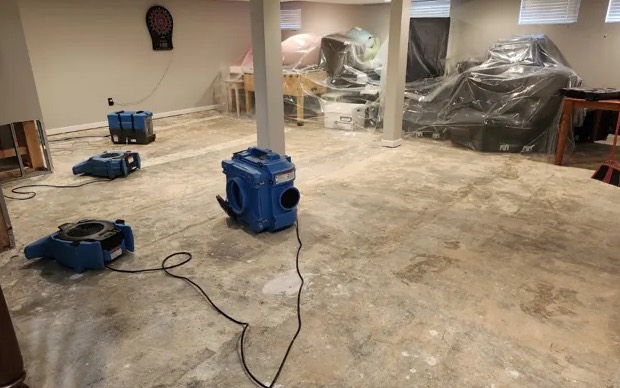
Professional Black Mold Remediation & Removal in Lakeland, FL
Mold damage restoration in Lakeland addresses both visible mold and hidden spores. Inspection finds every affected area so the root cause is treated.
Black mold remediation and removal for properties in Lakeland and nearby places like Crystal Lake, Combee Settlement and Winston addresses localized moisture issues that foster toxic mold. The process includes HEPA vacuuming and antimicrobial treatment.
Comprehensive Black Mold Remediation & Removal for Lakeland
Moisture Source Correction
Fixing the moisture source keeps mold from returning. That means fixing leaks, improving ventilation or correcting drainage.
Post Remediation Verification
A final verification step provides documentation that the remediation process has been successfully concluded. This assessment checks that all agreed-upon work has been completed to standard.
HEPA Vacuuming for Mold Spores
HEPA vacuuming captures loose spores left on surfaces before the final cleaning in mold remediation.
Mold-Contaminated Material Removal
Moldy material removal involves the safe disposal of items that cannot be adequately cleaned. Non-porous surfaces may be salvageable through intensive cleaning, but porous materials usually require replacement.
Mold Containment Procedures
In Lakeland, local mold remediation pros implement strict containment procedures before disturbing any mold. It keeps the work site isolated and airborne spores under control.
Signs That Require Black Mold Remediation
Unexplained Health Symptoms
Allergy-like symptoms such as coughing, sneezing, or itchy eyes that worsen inside your home can indicate poor air quality from mold spores.
Recent Water Damage History
Previous leaks, flooding, or high humidity events create the perfect environment for toxic mold to begin growing unseen.
Warped or Stained Drywall
Discoloration, bulging, or softening of drywall or ceiling materials points to moisture damage and likely mold contamination.
Persistent Musty Odors
A strong, earthy smell that lingers in certain rooms or areas often points to hidden mold growth behind walls or under flooring.
How Black Mold Remediation & Removal Works in Lakeland
Step 1: Professional Mold Inspection
The process begins with a detailed mold inspection to assess the extent of contamination, identify moisture sources, and determine the scope of the black mold remediation project.
Step 2: Containment and Air Filtration
Mold containment procedures are established using physical barriers, and air scrubbers run continuously to capture airborne spores and prevent cross-contamination during the mold removal services.
Step 3: Removal and Cleaning
Mold-contaminated porous materials are safely removed. All remaining surfaces undergo HEPA vacuuming for mold spores followed by an antimicrobial treatment for mold remediation.
Step 4: Verification and Moisture Control
Verification confirms the area is clean and dry. The final, critical step is moisture source correction to prevent the mold problem from returning.
Common Causes of Black Mold in Lakeland
Condensation on Cold Surfaces
Warm, moist air contacting cold pipes, windows, or exterior walls causes condensation, which soaks into materials and feeds mold growth.
Clogged or Damaged Gutters
Gutters that overflow or leak direct water against the siding and foundation, leading to saturated walls and structural mold problems.
Roof Leaks and Plumbing Failures
Slow roof or pipe leaks put moisture into wall cavities and ceilings, where mold grows unseen.
Landscaping and Grading Issues
Soil sloping toward the foundation or dense planting against walls directs water into the structure, a key factor for mold prevention failure.
Home and Business Black Mold Remediation & Removal in Lakeland, FL
Residential Black Mold Remediation & Removal
The specialists use containment and HEPA vacuuming to protect your family's health and home structure during the mold remediation process.
Commercial Black Mold Remediation & Removal
For businesses, mold can disrupt operations, damage inventory, and affect employee health and customer perception. Containment separates affected spaces, and air scrubbing filters airborne particles during remediation.
When to Handle Mold Yourself vs. Call Mold Remediation Specialists
If mold returns or covers more than a few square feet, call the specialists for a professional mold remediation assessment to identify moisture sources and plan the work.
Factors in Black Mold Remediation & Removal Pricing for Lakeland
The price for professional mold removal varies based on the total square footage affected, the accessibility of contaminated areas like crawlspaces, and the types of building materials that require treatment or removal.
Accessibility Challenges
Mold in tight crawl spaces, behind finished walls, or in high attics requires more labor-intensive demolition and drying efforts.
Extent of Contamination
The square footage of mold growth and whether it's surface-level or deep within structural materials dictates labor and material scope.
Air Scrubber Requirements
The number and size of HEPA filtration units needed to clean the air during the mold remediation process influence equipment fees.
Does Insurance Cover Black Mold Remediation & Removal?
Home insurance may contribute to mold removal services if the mold is sudden and accidental from a covered water event. The specialists in Lakeland focus on proper documentation for a claim but advise homeowners to consult their insurer on coverage specifics.
Benefits of Local Specialists for Black Mold Remediation & Removal
Post Remediation Verification Testing
Final air and surface sampling provides objective confirmation that the mold abatement process achieved clearance standards.
Industry-Standard Remediation Methods
Containment, removal and cleaning take out mold colonies and help prevent regrowth.
Safe Contaminated Material Removal
Mold-damaged drywall and insulation are bagged and sealed on-site for safe disposal, following local regulatory guidelines.
24/7 Black Mold Remediation & Removal Help in Lakeland
A mold problem can escalate overnight. For urgent black mold remediation and air scrubber deployment to protect your indoor air, make the emergency call to (863) 264-2360.
Call Now (863) 264-2360Black Mold Remediation & Removal Throughout the Lakeland Region
The places below are also served, and each one has its own page.
- Black Mold Remediation & Removal in Crystal Lake
- Black Mold Remediation & Removal in Combee Settlement
- Black Mold Remediation & Removal in Winston
- Black Mold Remediation & Removal in Griffin
- Black Mold Remediation & Removal in Medulla
- Black Mold Remediation & Removal in Fussels Corner
- Black Mold Remediation & Removal in Lakeland Highlands
- Black Mold Remediation & Removal in Highland City
Common Black Mold Remediation & Removal Questions Answered
Can mold return after professional remediation?
Mold can return if the original moisture source is not correctly identified and fixed. Lasting mold prevention relies on eliminating the water problem.
Why is air scrubber installation used for mold?
Air scrubbers with HEPA filters continuously clean the air inside the containment zone, capturing airborne mold spores released during the removal and cleaning process.
Why is mold inspection a critical first step?
Inspection with moisture meters and thermal imaging finds the full extent of damage, including hidden mold, which is necessary for an accurate remediation plan.
How long does professional mold removal take?
Project duration depends on the extent of mold and accessibility. A small, contained area may take a day, while whole-house remediation can require several days.
How does HEPA vacuuming for mold spores work?
After material removal, all remaining surfaces are vacuumed with HEPA-filtered equipment to capture any lingering spores and fine debris from the affected area.