Lakeland, FL · Polk County
Black Mold Removal from Water Damage in Lakeland, FLMoisture Source Correction & Mold Containment Procedures
Proper black mold removal from water damage in Lakeland demands mold containment procedures, post remediation verification, and moisture source correction.
Answered 24/7
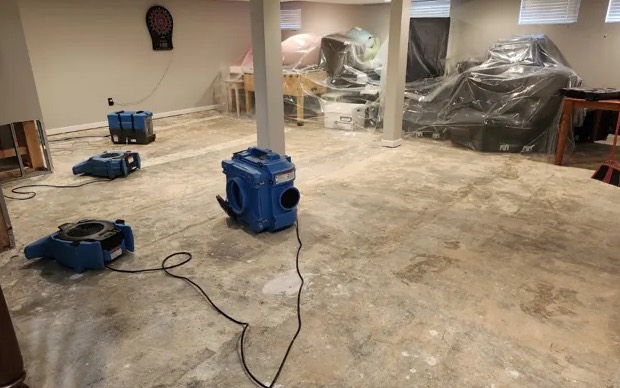
Local Black Mold Removal from Water Damage for Lakeland Properties
For homes in Lakeland, the mold remediation process must be thorough to prevent recurrence. Black mold cleanup involves more than surface wiping; it requires penetrating treatments and air quality testing to confirm spore levels are safe.
Black mold remediation and removal for properties in Lakeland and nearby places like Crystal Lake, Combee Settlement and Winston addresses localized moisture issues that foster toxic mold. The process includes HEPA vacuuming and antimicrobial treatment.
Detailed Black Mold Removal from Water Damage Process in Lakeland
Moisture Source Correction
Mold remediation includes finding and fixing the water issue that allowed the mold. This could mean repairing a plumbing leak, sealing a foundation crack, or installing better bathroom ventilation.
Mold Containment Procedures
Mold containment procedures are critical to prevent spores from spreading during remediation.
Post Remediation Verification
Post remediation verification involves a final inspection to confirm that mold levels have returned to normal. This may include a visual check and sometimes air sampling to compare to outdoor baselines.
Black Mold Inspection
Inspection for black mold involves checking common problem areas like bathrooms, under sinks, and around plumbing leaks. This initial assessment helps mold remediation specialists in Lakeland develop the most effective strategy for removal and cleanup.
Antimicrobial Treatment for Mold Remediation
For homes in Lakeland, antimicrobial application by the experts is a proactive measure. This treatment is applied to cleaned surfaces to help guard against subsequent spore colonization.
Signs That Require Black Mold Remediation
Unexplained Health Symptoms
Allergy-like symptoms such as coughing, sneezing, or itchy eyes that worsen inside your home can indicate poor air quality from mold spores.
Mold Recurrence After Cleaning
If mold returns quickly after you clean it, the moisture source was never fixed.
Visible Black or Green Mold
Patches of black, green, or gray fuzzy mold on walls, ceilings, or baseboards are a clear sign of an active mold problem.
Warped or Stained Drywall
Discoloration, bulging, or softening of drywall or ceiling materials points to moisture damage and likely mold contamination.
How Black Mold Removal from Water Damage Works in Lakeland
Step 1: Professional Mold Inspection
The process begins with a detailed mold inspection to assess the extent of contamination, identify moisture sources, and determine the scope of the black mold remediation project.
Step 2: Containment and Air Filtration
Mold containment procedures are established using physical barriers, and air scrubbers run continuously to capture airborne spores and prevent cross-contamination during the mold removal services.
Step 3: Removal and Cleaning
Mold-contaminated porous materials are safely removed. All remaining surfaces undergo HEPA vacuuming for mold spores followed by an antimicrobial treatment for mold remediation.
Step 4: Verification and Moisture Control
Verification confirms the area is clean and dry. The final, critical step is moisture source correction to prevent the mold problem from returning.
Primary Causes of Black Mold Damage in Lakeland
Clogged or Damaged Gutters
Gutters that overflow or leak direct water against the siding and foundation, leading to saturated walls and structural mold problems.
Flooding From Storms or Appliances
Major water intrusion from storms or appliance failures soaks building materials. Prompt water extraction and drying help keep mold from starting.
Roof Leaks and Plumbing Failures
Slow roof or pipe leaks put moisture into wall cavities and ceilings, where mold grows unseen.
Landscaping and Grading Issues
Soil sloping toward the foundation or dense planting against walls directs water into the structure, a key factor for mold prevention failure.
Black Mold Removal from Water Damage for Homes and Businesses in Lakeland
Residential Black Mold Removal from Water Damage
The specialists use containment and HEPA vacuuming to protect your family's health and home structure during the mold remediation process.
Commercial Black Mold Removal from Water Damage
For businesses, mold can disrupt operations, damage inventory, and affect employee health and customer perception. Containment separates affected spaces, and air scrubbing filters airborne particles during remediation.
Black Mold Removal from Water Damage vs. DIY: When to Call Mold Remediation Specialists
You can visually inspect your home for signs of water stains or condensation as part of routine upkeep. Discovering significant mold contamination, especially the toxic black variety, means it's time to call the specialists for mold abatement and post-remediation verification.
Factors in Black Mold Removal from Water Damage Pricing for Lakeland
Costs in Lakeland depend on visible mold, hidden colonies inside walls and how complex the containment and air filtration are.
Accessibility Challenges
Mold in tight crawl spaces, behind finished walls, or in high attics requires more labor-intensive demolition and drying efforts.
Containment Complexity
Sealing off the work area with barriers to prevent spore spread during mold removal increases setup time and material needs.
Material Removal Volume
The amount of drywall, insulation, or flooring that is unsalvageable and requires disposal affects debris hauling and replacement costs.
Does Insurance Cover Black Mold Removal from Water Damage?
Insurance coverage for mold damage restoration often depends on the source of the water. Mold from a sudden, accidental discharge may be covered, while mold from long-term humidity or neglect typically is not. Confirm your policy's mold endorsement with your insurance provider before remediation begins.
Benefits of Local Specialists for Black Mold Removal from Water Damage
Detailed Damage Documentation
Photos and moisture logs created by the pros serve as a clear record for your personal review or insurance claim needs.
Antimicrobial Treatment Application
Applying EPA-registered agents to cleaned surfaces inhibits future mold growth on framing and sub-surfaces after material removal.
Post Remediation Verification Testing
Final air and surface sampling provides objective confirmation that the mold abatement process achieved clearance standards.
24/7 Black Mold Removal from Water Damage Help in Lakeland
A mold problem can escalate overnight. For urgent black mold remediation and air scrubber deployment to protect your indoor air, make the emergency call to (863) 264-2360.
Call Now (863) 264-2360Local Black Mold Removal from Water Damage for Lakeland and Nearby Areas
Mold removal services address toxic mold in properties throughout Lakeland, serving residents in Lakeland and surrounding communities such as Crystal Lake, Combee Settlement and Winston.
Black Mold Removal from Water Damage FAQs
Why is air scrubber installation used for mold?
Air scrubbers with HEPA filters continuously clean the air inside the containment zone, capturing airborne mold spores released during the removal and cleaning process.
How long does professional mold removal take?
Project duration depends on the extent of mold and accessibility. A small, contained area may take a day, while whole-house remediation can require several days.
What is post remediation verification?
It is a final step where independent air and surface samples are taken after cleanup to scientifically verify that mold spore counts are within acceptable limits.
What is the difference between mold removal and abatement?
In the restoration industry, the terms are often used interchangeably. Both generally describe the professional process of eliminating mold contamination and returning indoor spore levels to a normal, safe range.
How can mold prevention be maintained after remediation?
Keep humidity low, fix leaks promptly, vent bathrooms and kitchens and check damp-prone areas regularly.