Tampa, FL · Hillsborough County
Floor Mold Removal in Tampa, FLHardwood Floor Mold Removal & Carpet Mold Remediation
Comprehensive Floor Mold Removal in Tampa includes tile grout mold cleanup, laminate flooring mold treatment, and concrete slab mold mitigation.
Answered 24/7
Trusted Floor Mold Removal Services in Tampa
Mold damage restoration for floors is essential in Tampa, to maintain property value and safety. Left unchecked, mold on floor surfaces can lead to extensive repairs and compromised indoor environments.
In Tampa and nearby places like Temple Terrace, Gibsonton and Mango, moldy floor cleanup prevents allergens from black mold on floor from affecting indoor air. Local mold damage pros use advanced techniques for flooring replacement after mold and mold inspection floor services. Their 24/7 operation caters to urgent situations.
Complete Floor Mold Removal Solutions
Hardwood Floor Mold Removal
For hardwood, mold damage pros use gentle, targeted methods to lift mold stains and treat the wood without compromising its finish or structural integrity.
Carpet Mold Remediation
Carpet mold remediation by the pros involves extracting moisture, applying EPA-registered treatments, and determining if the carpet can be salvaged or must be replaced.
Moldy Subfloor Removal
Removing a moldy subfloor stops structural decay and spore circulation; local pros then ensure the new installation meets current building standards.
Tile Grout Mold Cleanup
Tile and grout cleanup requires penetrating the porous material to kill mold roots, followed by a high-temperature steam treatment for a deep clean.
Floor Mold Inspection
This inspection in Tampa identifies the moisture source fueling the mold, which is crucial for designing an effective, lasting remediation strategy.
How to Spot Mold Damage on Your Floors
History of Water Damage
Any past flooding, leaks, or spills increases the risk of hidden mold colonies developing within the floor structure over time.
Increased Allergy Symptoms Indoors
Unexplained allergy flare-ups, respiratory issues, or itchy eyes at home can be caused by airborne mold spores from a floor infestation.
Visible Mold on Baseboards
Mold growth creeping up baseboards or walls from the floor junction is a clear sign the flooring mold treatment area is expanding.
Discolored or Stained Flooring
Unexplained dark spots, water stains, or fading on carpets, hardwood, or tile can point to mold spores on floor surfaces.
How Floor Mold Removal Works in Tampa
Step 1: Diagnosis and Moisture Mapping
Using specialized tools, the pros diagnose the moisture source and create a map of affected areas, distinguishing between surface mold and deep contamination for mold under floor removal.
Step 2: Source Repair and Isolation
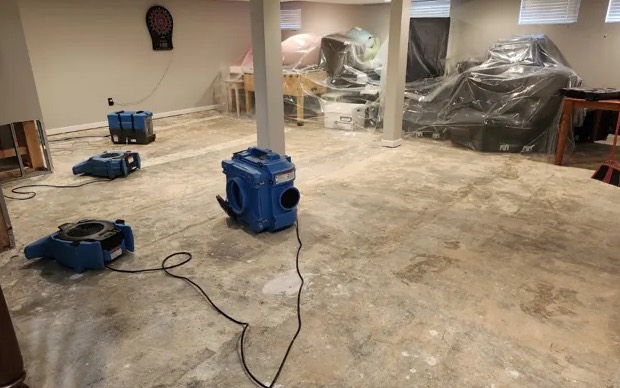
The root moisture issue is repaired. The work zone is then isolated with containment to ensure mold spores are not spread during the subsequent floor mold removal services.
Step 3: Demolition and Controlled Removal
Controlled demolition removes unsalvageable materials like wet drywall at the base or rotten subfloor. This step is crucial for concrete slab mold mitigation and subfloor access.
Step 4: Antimicrobial Application and Drying
After removal, framing and concrete are treated with antimicrobial solutions. Professional-grade drying equipment then runs until all materials reach dry standard moisture levels.
Frequent Culprits for Floor Mold Removal Needs
Poor Subfloor Ventilation
Inadequate airflow in crawlspaces or under raised floors traps moisture vapor, promoting mold growth on the underside of flooring and joists.
Slow Drying After Cleaning
Deep-cleaning carpets or mopping floors without adequate drying leaves residual moisture deep in padding or subflooring, inviting mold spores to grow.
Previous Incomplete Mold Cleanup
Attempts at mold removal services that didn't address the moisture source or fully remove contaminated materials lead to recurring mold problems.
Roof or Window Leaks
Water intrusion from a leaky roof or windows can travel down wall cavities and pool under flooring, creating hidden mold reservoirs.
Floor Mold Removal Across All Property Types in Tampa
Residential Floor Mold Removal
Homeowners face risks from mold spores on floor surfaces where children and pets play. The specialists provide thorough mold inspection floor services and targeted treatments for attic crawlspace floors, enclosed porches, and other vulnerable home areas.
Commercial Floor Mold Removal
Commercial properties require professional mold removal services to protect assets and reputation. Experts manage mold on floor removal in storage areas, locker rooms, and beneath commercial kitchen equipment, using industrial-grade drying and air scrubbing equipment for large spaces.
Professional Floor Mold Removal Over DIY Attempts
After a minor leak, air movers can help surface drying for a day. Dispose of obviously ruined items. For water in walls or under flooring, or any suspicion of black mold on floor, stop DIY and contact the pros.
What Affects Floor Mold Removal Cost in Tampa, FL
Local floor mold removal costs are influenced by the severity of mold damage restoration needed. Whether the job involves simple surface cleaning or full-scale mold under floor removal and subfloor replacement affects the overall estimate.
Subfloor Condition
Moldy subfloor removal adds significant labor and material costs, especially if structural repairs or concrete slab mold mitigation are necessary after demolition.
Containment Complexity
Emergency floor mold containment setups, including physical barriers and negative air machines, add to project costs to prevent cross-contamination.
Mold Species Present
Black mold on floor remediation often requires more stringent safety protocols and specialized antimicrobial treatments compared to common mold types.
Does Insurance Cover Floor Mold Removal?
Coverage for floor mold removal depends on the policy and moisture source. Restoration is often covered if from a sudden, covered peril. Local pros document damage with photos and moisture readings. The final decision belongs to the insurer.
Advantages of Professional Floor Mold Removal
IICRC-Standard Remediation Methods
The pros follow industry-standard protocols for containment, removal, and cleaning to address mold spores on floor effectively and safely.
Material-Specific Treatment Protocols
Techniques differ for carpet mold remediation, tile and grout mold cleanup, and laminate flooring mold treatment to protect your flooring's integrity.
Documentation for Insurance
Detailed reports and photos of the mold damage restoration process are provided to support any potential insurance claim you file.
Around-the-Clock Floor Mold Removal Support
Mold spores on floor can spread through your HVAC system, making early action critical. If you need emergency floor mold removal services in the Tampa area, contact the pros at (863) 264-2360 for urgent help.
Call Now (863) 264-2360Extended Floor Mold Removal Service Region
Other places served are listed below, each with its own page.
Frequently Asked Floor Mold Removal Questions
Is it safe to stay home during floor mold cleanup?
For small, contained areas, it may be possible, but for extensive mold removal services, temporary relocation is often advised to avoid exposure to mold spores and cleaning chemicals.
What happens during a mold inspection for floors?
A mold inspection floor assessment involves visual examination, moisture meter and thermal imaging scans to find hidden dampness, and sometimes air or surface sampling to identify mold spore types and levels.
What is emergency floor mold containment?
Emergency floor mold containment is an early action to isolate the affected area using plastic sheeting and negative air pressure, preventing mold spores from spreading to other parts of your home during remediation.
Does carpet mold remediation always require replacement?
Not always. If mold growth is superficial and caught early, professional deep cleaning can sometimes salvage the carpet. However, mold penetration into the padding usually necessitates replacement.
What flooring is most resistant to mold growth?
Non-porous materials like ceramic tile, vinyl plank, and properly sealed concrete are most resistant. However, grout lines and subfloors beneath any flooring can still harbor mold if moisture is present.