Clearwater, FL · Pinellas County
Sewage Odor Removal in Clearwater, FLCrawl Space Sewage Deodorization & Sewage Backup Odor Removal
Sewage Odor Removal specialists in Clearwater handle sewage backup odor removal, carpet sewage odor treatment, and air duct sewage odor cleaning.
Answered 24/7
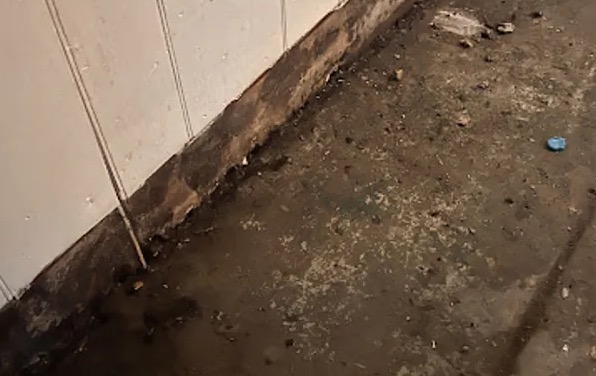
Local Sewage Odor Removal Solutions in Pinellas County
Air duct sewage odor cleaning in Clearwater ensures HVAC systems don't circulate foul smells throughout your home. Sewage stench removal requires specialized equipment for ductwork and vents.
Sewage backup odor removal in Clearwater, Largo, Palm Harbor and Pinellas Park requires sanitization and odor elimination. The pros offer carpet treatment and drywall removal, using methods like air purification after sewage.
Sewage Odor Removal Methods Used in Clearwater
Crawl Space Sewage Deodorization
Sewage odors in a dark, damp crawl space are tackled by the pros. They use air scrubbers for filtration, remove contaminated materials, and treat the subfloor and piers.
Sewage Backup Odor Removal
That lingering smell signals ongoing contamination. The pros target organic residues with specialized enzymatic cleaners. This ensures the smell does not return as humidity changes.
Biohazard Odor Cleanup
The pros tackle both waste and odors from a sewage spill. Their biohazard cleanup removes unsalvageable porous materials and applies oxidizing agents to structural elements to lock out odors.
Carpet Sewage Odor Treatment
For sewage-soaked carpet emitting a strong, persistent smell, the pros in Clearwater typically remove and dispose of the padding, which cannot be adequately cleaned. The carpet may undergo immersion washing or treatment with odor-neutralizing encapsulants.
Drywall Sewage Odor Removal
The pros understand drywall acts like a sponge for sewage odors. They often remove affected sections, then treat exposed studs with antimicrobial sprays and odor-sealing primers.
Signs of a Sewage Odor Problem in Clearwater
Animal Activity or Insects Nearby
Increased pest activity can be attracted to sewage residues, a sign of biohazard conditions requiring biohazard odor cleanup.
Strong Odor From Drains or Toilets
Intense smells emanating from plumbing fixtures often point to a sewer line or septic issue needing sewer line odor elimination.
Odor Worsens With Humidity
If the sewage smell intensifies on humid days, organic matter is likely present and releasing gases, needing sewage odor neutralization.
Persistent Sewage Smell in Your Home
A lingering sewage odor that does not improve with ventilation signals a deep contamination requiring professional sewage smell removal.
How Sewage Odor Removal Works in Clearwater
Step 1: Comprehensive Sewer Gas Detection
Using specialized detection equipment, the experts trace the pathway of sewer gas to find leaks in pipes or plumbing vent failures.
Step 2: HVAC System Sewage Decontamination
If contamination spread via ducts, the entire HVAC system is cleaned and treated to stop the cycle of air duct sewage odor recirculation.
Step 3: Crawl Space Sewage Deodorization
For odors rising from below, crawl spaces are excavated if needed, treated with antimicrobials, and ventilated to address trapped sewer gas odors.
Step 4: Final Air Quality Verification
Post-treatment, the air is tested to verify all odor-causing compounds have been removed, ensuring successful professional odor removal and a safe environment.
Leading Causes of Sewer Gas Odors in Clearwater
Contaminated Drywall and Insulation
Drywall and insulation wick sewage moisture upwards, spreading contamination and odor inside wall cavities unseen, a hidden health risk.
Crawl Space Sewage Pooling
Sewage leaking or flooding into a confined crawl space creates a saturated, anaerobic environment that emits powerful, trapped foul odors.
Dried Sewage Residue After Flooding
After a sewage flood recedes, organic residues left behind in porous materials decompose and produce persistent, harmful odors over time.
Sewage Particles in Air Ducts
During a backup, contaminated air can distribute sewage particles throughout HVAC systems, spreading odor every time the system operates.
Residential & Commercial Sewage Odor Solutions in Clearwater
Residential Sewage Odor Removal
When a sewage smell invades a home, it affects comfort and safety. The specialists target odors absorbed into upholstery, curtains, and HVAC ducts, ensuring complete sewage stench removal.
Commercial Sewage Odor Removal
Restaurants and medical offices cannot afford lingering sewage odors. The experts provide professional service for sewer line odor elimination. They implement rigorous odor control to meet health standards.
Why DIY Sewage Odor Removal Often Fails in Clearwater
After a small spill, wearing gloves, remove solid waste and apply disinfectant. Ventilate with fans. Do not clean large-scale backups, as this is a biohazard cleanup situation.
Sewage Odor Removal Cost in Clearwater, FL
Costs associated with sewage stench removal in Clearwater are determined by the duration of exposure. Lingering odors in porous materials like drywall or carpet often need more advanced neutralization techniques.
Accessibility Challenges
Odor removal in tight crawl spaces or behind finished walls increases the time and specialized equipment required for effective deodorization.
Deodorization Method
The selection of treatment, from surface cleaning to thermal fogging or ozone treatment, is based on odor severity and affects pricing.
Depth of Penetration
Odors that have seeped into subfloors, insulation, or air duct systems require more extensive cleaning and air purification efforts to fully neutralize.
Does Insurance Cover Sewage Odor Removal?
Insurance coverage for sewage odor removal in Clearwater depends on the homeowner's policy and the cause. The pros document damage for the claim, which homeowners submit to their insurer.
Advantages of Hiring Local Pros in Clearwater for Sewage Odor Removal
Documentation for Homeowners
Detailed reports and photos are provided, documenting the damage and the steps taken for sewage odor removal, which can be useful for records.
Biohazard Safety Procedures
Sewage backup odor removal involves strict safety measures, including PPE and proper disposal, to protect occupants and workers from hazardous contaminants.
Source Identification Expertise
Effective sewage smell removal begins with accurately locating the origin, whether from a sewer line, septic tank, or hidden backup.
Round-the-Clock Sewage Odor Removal in Clearwater, FL
Persistent sewage smells mean contamination remains. For 24/7 emergency help with sewage odor neutralization, call the pros at (863) 264-2360. Starting the cleaning process quickly is essential.
Call Now (863) 264-2360Sewage Odor Removal in Clearwater and Other Areas Served
Other places served are listed below, each with its own page.
Frequently Asked Questions About Sewage Odor Removal
Why is professional odor removal necessary for sewage backups?
Professional odor removal is crucial because sewage contains harmful pathogens that pose health risks. DIY cleaning often fails to eliminate odors trapped deep within porous materials, leading to persistent smells and potential mold growth.
How long does sewage odor neutralization typically take?
The timeline for sewage odor neutralization varies with damage extent. A localized spill may take a day, while extensive contamination requiring drywall removal can take several days.
What causes a persistent sewage smell in my Clearwater home?
A lingering sewer gas odor often points to a dry P-trap, a cracked vent pipe, or a partial sewer line blockage. It can also signal a failing septic system needing immediate inspection.
Can carpet be saved after sewage odor contamination?
Carpet sewage odor treatment is possible if the padding is removed and disposed of immediately. The carpet itself may be salvaged through professional hot water extraction and antimicrobial treatment, but severe contamination often requires replacement.
What are the health risks of untreated sewage odors?
Untreated sewage odors indicate the presence of bacteria, viruses, and mold, which can cause respiratory issues, infections, and allergic reactions. Prolonged exposure in enclosed spaces poses significant health hazards, especially to children and immunocompromised individuals.